What growing up in North Korea means — nurseries, schooling, labour, and the children of those who left. Seven days of background, each with a prayer.
Have these by email, one a day.
Day one arrives straight away, the rest on the six mornings after. It ends on day seven.
-
Day 1 — North Korean education
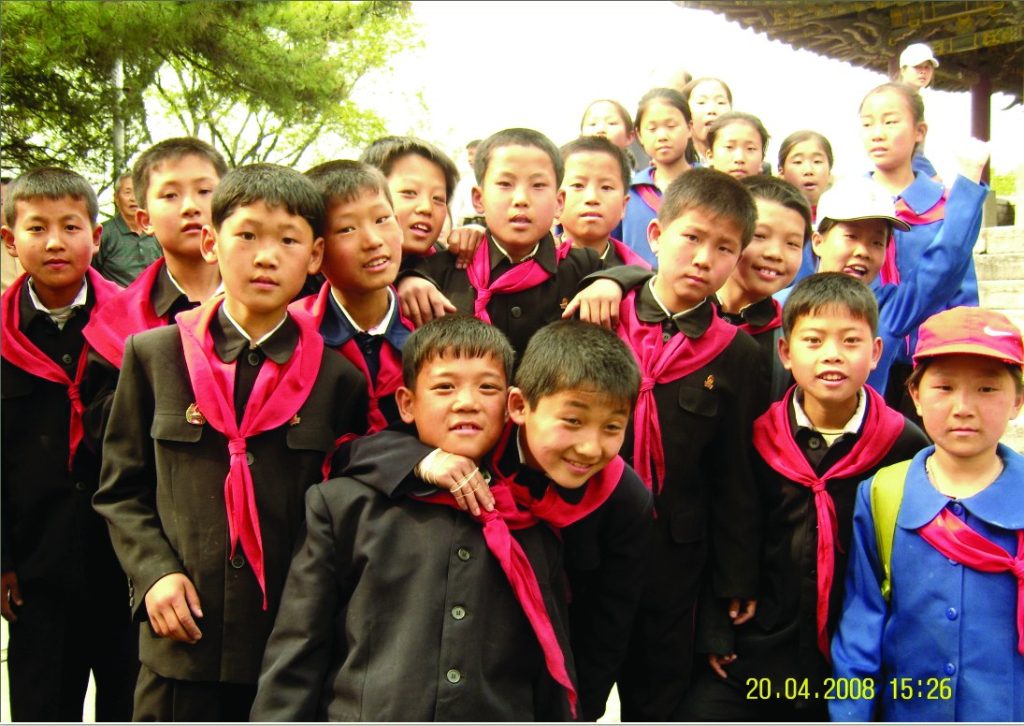
Children are enrolled in a regimented “organisational life” before they can speak.
North Korea requires children to live a regimented “organisational life” — a set of rituals serving both surveillance and indoctrination. Even before a child goes to kindergarten, nurseries operate to cultivate young revolutionaries in Kim Il-sung’s ideology.
According to one defector, at these nurseries — before a child learns to say “mum” or “dad” — he is taught to say before each meal, “Thank you, Father, for this food,” while looking at pictures of Kim Il-sung and Kim Jong-il. From kindergarten, children are given games such as “Smashing Americans” and “Throwing Grenades”. During the years when habits form, children are taught loyalty to the Kim family and hatred of the United States and South Korea.
Pray
Pray that, instead of these teachings, North Korean children have the opportunity to learn about God and to experience His love.
-
Day 2 — “Saenghwal chonghwa” and mutual criticism
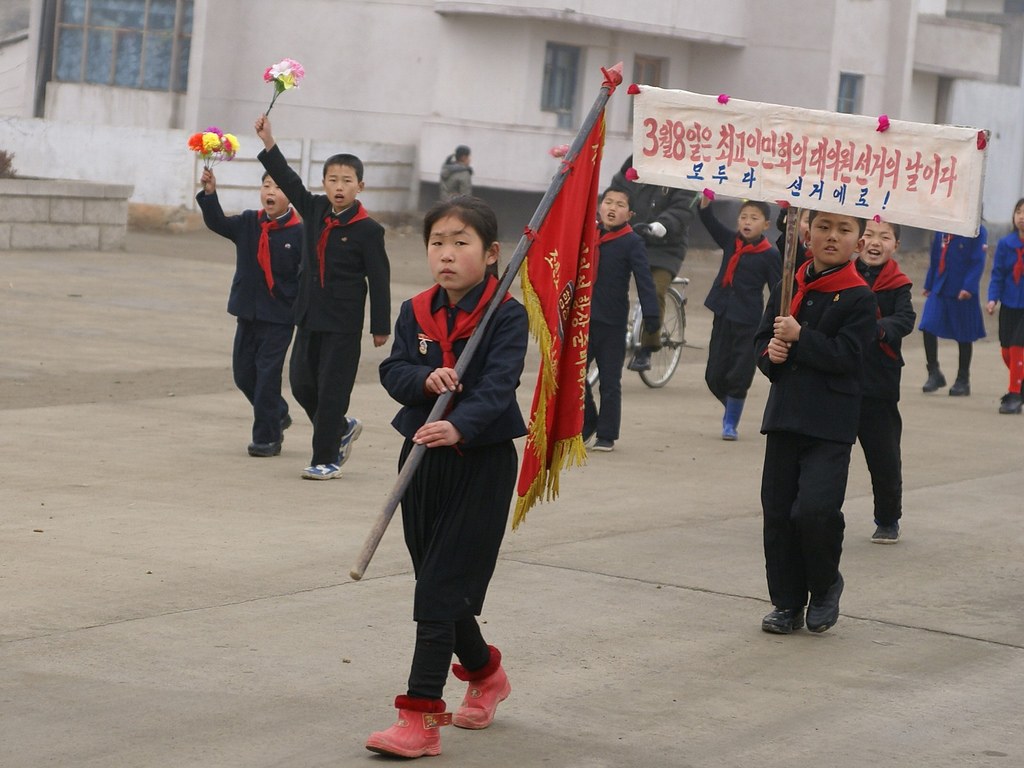
Children are taught to name the faults of others in public.
North Korean children begin organisational life by joining the children’s union the moment they enter elementary school.
It is mandatory to set aside a regular time to reflect on one’s life and to point out publicly the wrong actions of others. That time is called *saenghwal chonghwa*; naming each other’s faults is called mutual criticism. It continues into adulthood. Feelings are hurt and it often leads to fights. Against the Bible’s teaching that love covers a multitude of sins, hatred is encouraged and close relationships are broken in the name of loyalty to the country.
Pray
Pray for the children living this way, and for an end to it.
-
Day 3 — Child labour
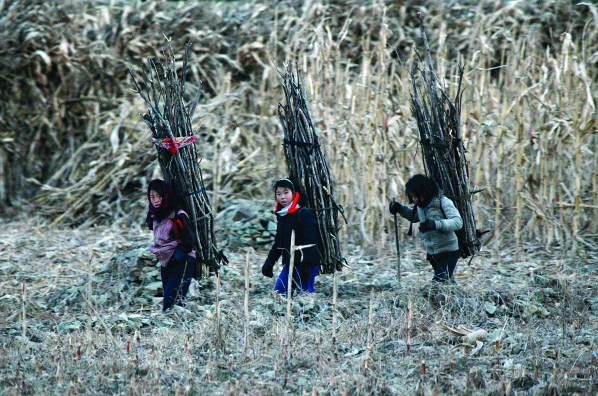
Work begins in elementary school, in the afternoons.
In North Korea, children are made to work in the afternoon after their morning classes. During the rice planting and autumn harvest seasons, classes are suspended for a month so that children can be mobilised for forced labour, including construction and agricultural work. Most work without adequate safety equipment. Many parents bribe teachers to avoid sending their children.
Pray
Pray that North Korean children are given safe, caring places to learn and to grow.
-
Day 4 — The children of defectors (1): struggling for support
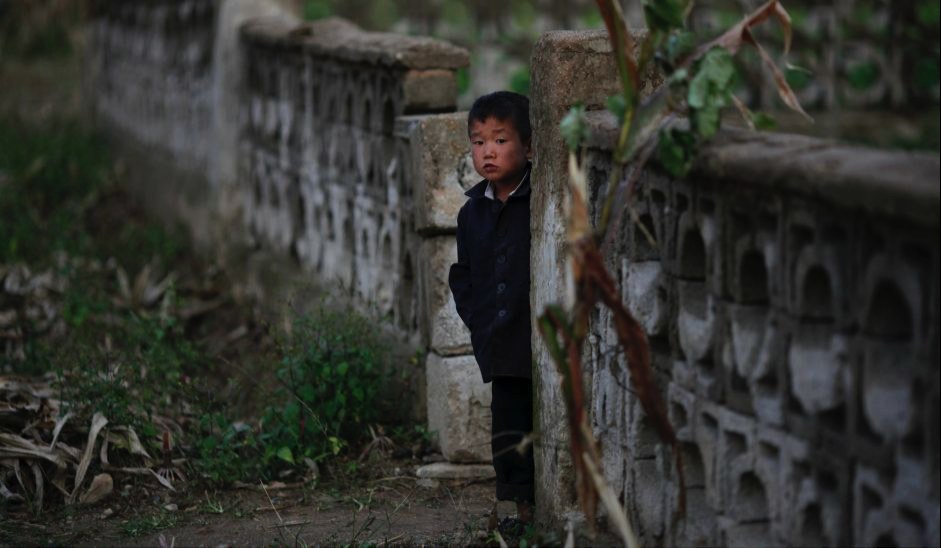
Born in a third country, they are called North Korean — but have never lived there.
The number of children born to North Korean defectors in “third countries” such as China is increasing. They are called North Korean defectors, but they have never lived in North Korea; they were born outside both Koreas. Most of those born and raised in China eventually come to South Korea with their mothers.
Third-country-born defectors now outnumber those born in North Korea. But they are not legally North Korean, and so have not been able to receive the support North Koreans are eligible for in South Korea. A subsidy for families with children born in third countries exists, but support and policy for children whose circumstances differ from those born in North Korea remain thin.
Pray
Pray for adequate support for defector children born abroad, whose backgrounds and family situations vary widely.
-
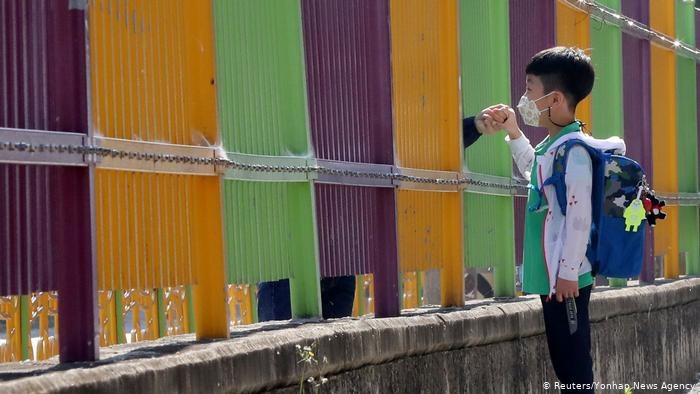
Day 5 — The children of defectors (2): adapting, alone
Separated young, then moved to a country whose language they do not speak.
Children born in North Korea sometimes experience separation from their families and then reunion. Children born in third countries find themselves in something more complicated. To survive in China and elsewhere, women defectors often marry local men and give birth before completing their journey to South Korea.
Where it is impossible to leave with the child, the mother comes alone and brings the child later. The child is separated from her at a young age, or from the family in the third country, including the father. Arriving in South Korea, the child has to adapt and learn the language before there is any time to deal with what has happened. The mother is adjusting too, and often cannot afford to look after him.
Pray
Pray that the gospel is planted in the hearts of defector children confused by their family situations and by an unfamiliar country.
-
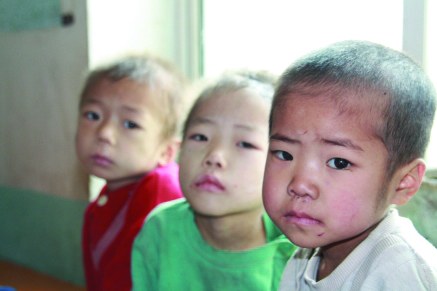
Day 6 — The children of defectors (3): still in a third country
Some are left behind when a parent is repatriated. Some live in fear of being repatriated themselves.
The difficulties defector families face in South Korea are real — language, identity, belonging. But they no longer face death threats or a desperate need to escape.
Do not forget the children who are still in third countries: separated from repatriated parents, or living in constant fear of their own repatriation to North Korea.
Pray
Pray for defector children living in fear of repatriation, and for those left behind by parents who have already been sent back.
-
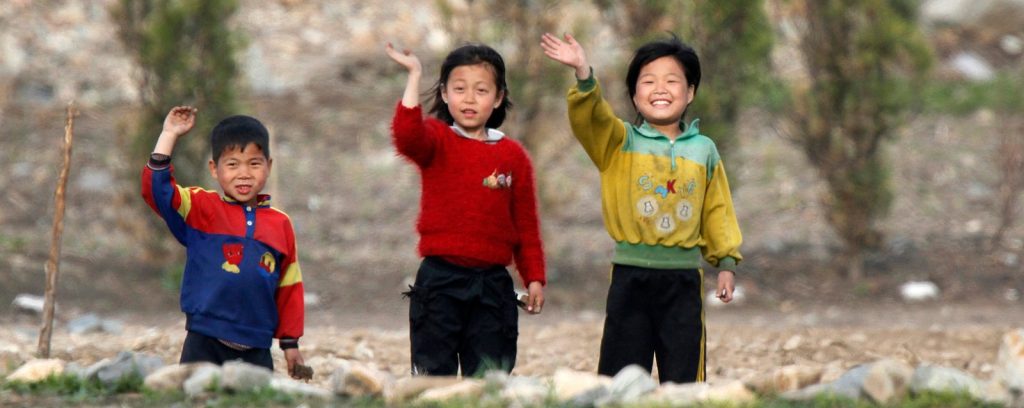
Day 7 — Believers working on their behalf
Despite everything, there are people doing this work.
Despite the innumerable challenges North Korean children face, there are dedicated believers working on their behalf.
Let the children come to me; do not hinder them, for to such belongs the kingdom of God.
Mark 10:14Pray
Pray that God knits the hearts of North Korean children together with those of the believers who care for them, after the example of Jesus.
Next week
Seven days of prayer for North Korea
Seven days, seven things happening now. Each day is a report from the field, followed by what to pray.

